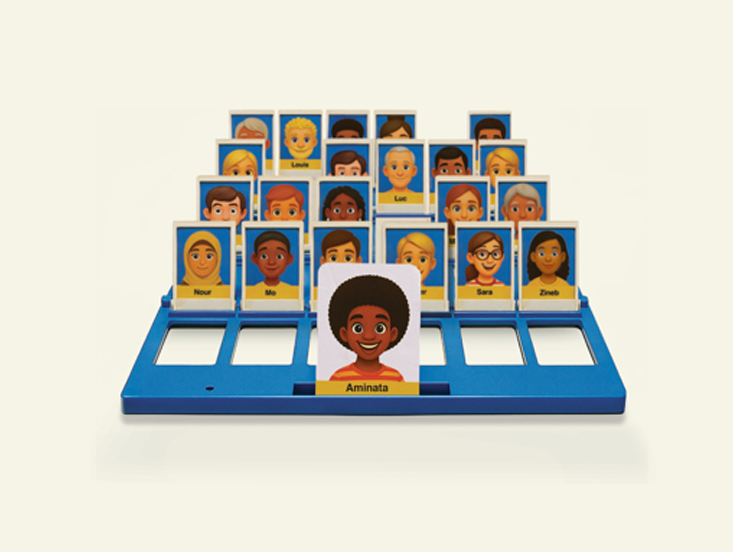
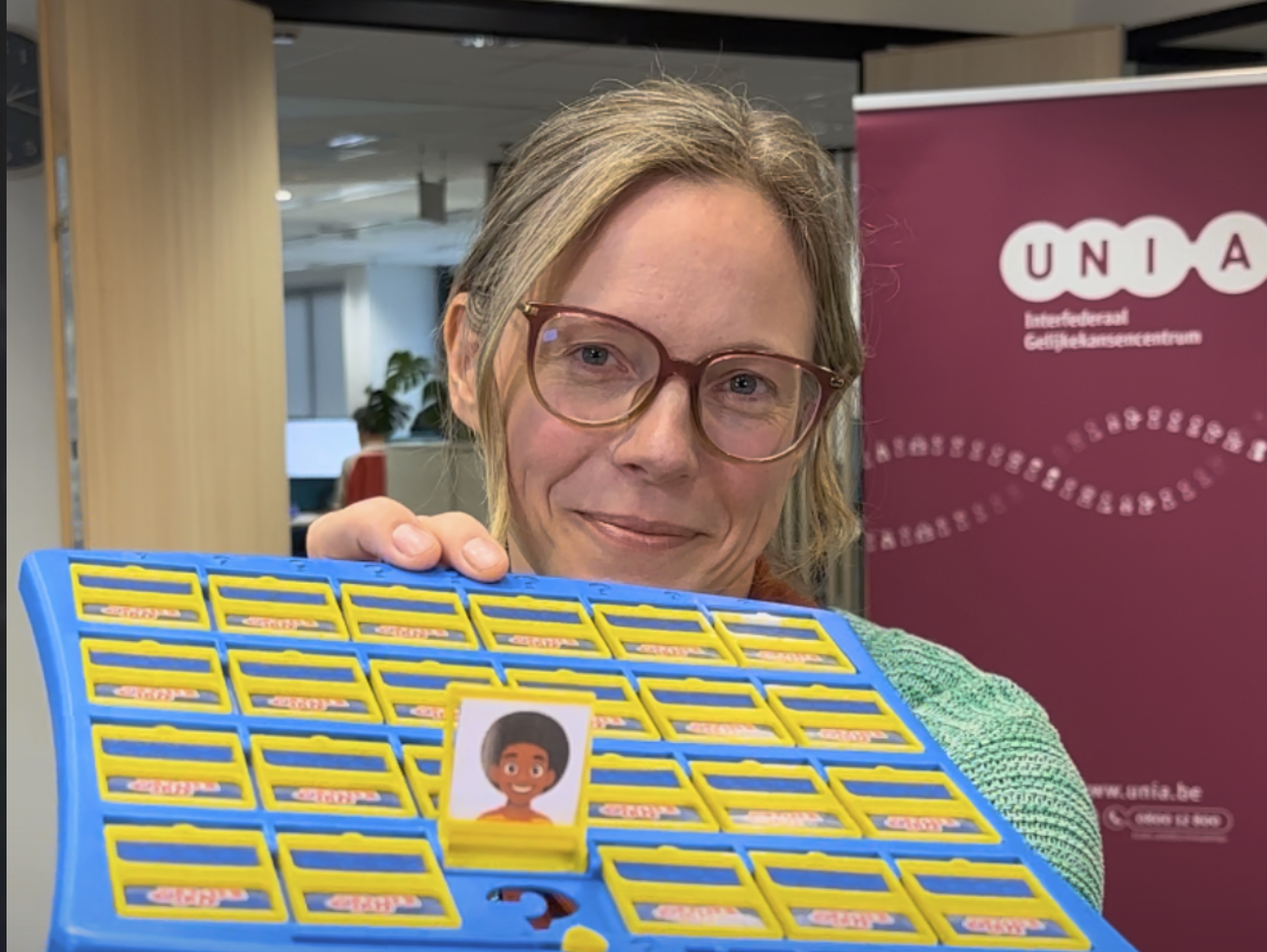
On the occasion of our awareness campaign “Who is it?” , we met Nele Spaas, political advisor at Unia, the Interfederal Center for Equal Opportunities.
With her, a clear observation: discrimination in hiring remains a reality in Belgium. And they not only penalize those affected, they also weaken our economy and society as a whole.
1 out of 4 reports related to racism
“In concrete terms, discrimination is unequal treatment based on characteristics that have nothing to do with the job: origin, religion, age or disability”, explains Nele Spaas, project manager at Unia.
In other words, two candidates with the same skills do not have the same opportunities, only because of prejudices.
In 2024, Unia registered 643 reports of discrimination based on origin, including almost a third (29%) in the professional context.
The cost of prejudice
Those affected suffer serious consequences: loss of opportunities, income and sometimes even self-confidence. Many end up believing that their efforts or skills will never be enough.
But the impact goes beyond individuals:
Businesses are missing out on valuable talent, depriving themselves of diversity in a job market already marked by a structural shortage.
The company Pays the bill: long-term unemployment, fiscal shortfall, additional social costs.
As Nele Spaas recalls: “Discrimination is bad for everyone: job seekers can't find work, employers can't find candidates, and our economy is losing out on innovation.”
Appeal to employers
The solution is clear: recruit based on skills. Employers who implement objective selection procedures, train their teams against biases, and embrace diversity strengthen their organization and contribute to a stronger economy.
Diversity and inclusion foster creativity, innovation, and resilience.
An inclusive job market is not only fairer: it is economically smarter.
What to do if you are discriminated against? Contact Unia: 0800 12 800 or www.signalement.unia.be
Unia has also launched its new online tool to conduct job interviews without discrimination or unconscious biases, via its platform www.ediv.be.
🔗 Discover our campaign “Who is it?”


%20(1).png)