Did you study abroad and want to work or resume your studies in Belgium? You may need to go through the "diploma equivalence" process. It’s not an easy path, but fortunately, DUO for a JOB is here to support young people from immigrant backgrounds.
What is diploma equivalence?
Diploma equivalence is the recognition of the levels and/or titles of qualifications obtained in another country. It is the most common procedure, used by both "foreigners" and Belgians returning from abroad.
6 key steps in the process to get your diploma recognized
Procedures and requirements vary depending on the type and level of the diploma (secondary, higher education, or university), the issuing country (specifics of each country's education system), and the intended purpose of the equivalence (continuing studies or working).
- Check if an equivalence is really necessary. What are your plans? Regulated profession, civil servant, freelance work, returning to studies, entrepreneurship, etc.
- Seek support from an organization.
- Have your diploma translated by a sworn translator.
- Prepare your application : original diploma, transcripts, curriculum, CV, and potentially legalization.
- Submit your application to the relevant department, within the specified deadlines.
- Wait for the decision, which may take several months.
➡️ More info about our mission here.
How much does a degree equivalence cost?
An equivalence application can cost up to €400 depending on the type of equivalence. For individuals with refugee status, subsidiary protection, or temporary protection, the procedure for higher education degrees is free of charge.
Here are the key organizations
- The NARIC (Flanders) and the Wallonia-Brussels Federation are the two institutions to which you must submit your application. They will process the file and make a decision.
- BON (in Brussels in Dutch), the CIRE (in French) or the Agentschap Integratie en Inburgering (Flanders) can help you submit an application.
- MONDIPLOME.BE helps you understand the various procedures.
The choice of procedure in Flanders, Wallonia, or Brussels must be based on where you want to work, not where you live. For example, if you live in Brussels but want to work in Flanders, you must contact NARIC.
A major obstacle to labor market integration
In Belgium, the recognition or equivalence of diplomas is a a major obstacle in the job search. It is actually the second biggest obstacle after language barriers, according to Statbel. The cost, the complexity of the process, and the administrative rules are frequently criticized, as highlighted by Alter Echos.
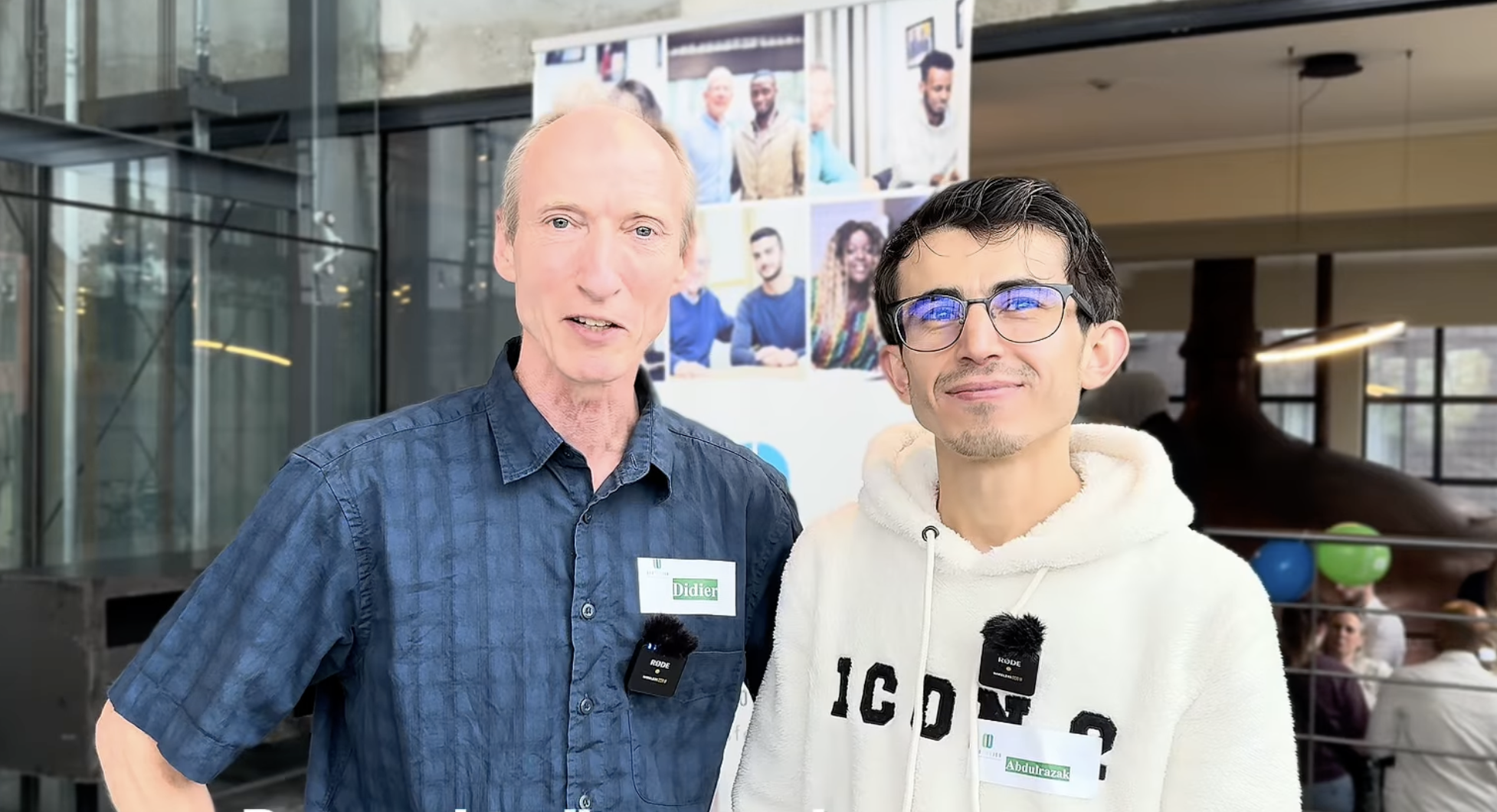
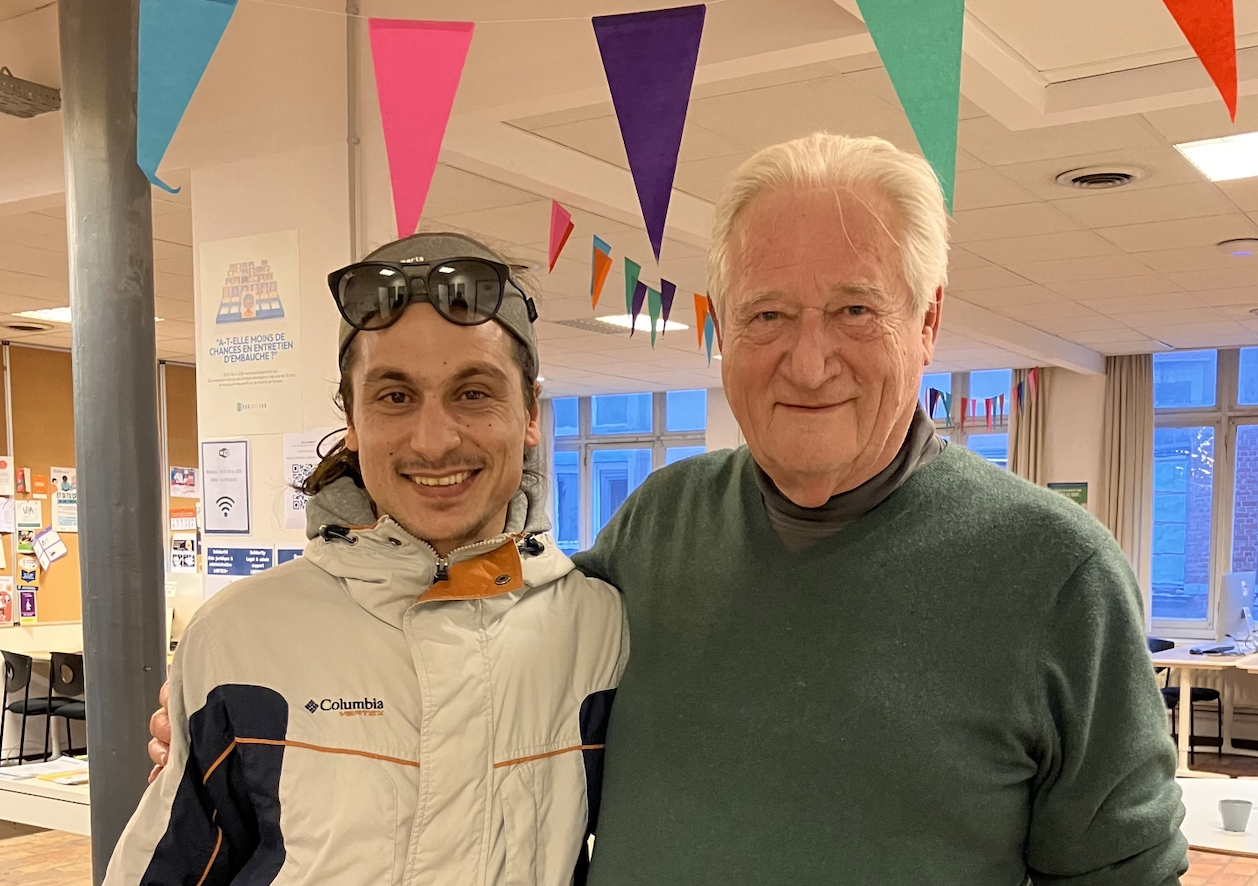
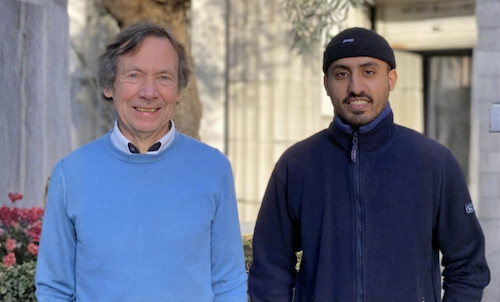
Since 2013, DUO for a JOB has been connecting young people from immigrant backgrounds with experienced volunteer mentors over the age of 50 (job coaches). For six months, they work together toward a concrete goal: sustainable integration into the job market.
A DUO for a JOB mentor can specifically help with
- the preparation of a degree equivalence application
- ensuring that all procedures are completed
- contacting the right organizations
- in the event of a negative response, or brainstorming a career path that does not require a degree.
➡️ Read our tips to boost your job search here.
Not a requirement, but a major asset
Depending on your career goals, getting your degree recognized can be useful. This process involves costs and requires patience. Having a foreign degree officially recognized can help remove barriers and make it easier to find a job. Having a DUO for a JOB mentor by your side makes the process much easier.
➡️ Want to learn more about DUO for a JOB? Check out our FAQ here and become a mentee.
🎥 Charly, supported by DUO for a JOB, shares his story in this video ⤵️
.png)


%20(1).png)